The quick answer
What to know first
Start with the current instructions from the responsible agency.
- 01Describe the food, preparation, service model, and premises
- 02Identify the food-safety agency and specific license category
- 03Check plan review and inspection instructions before opening
- 04Review alcohol licensing separately if selling alcoholic beverages
- 05Check tax registration and applicable local premises approvals
Restaurant or food truck: where do I start?
Use DBPR's jurisdiction guide before choosing a category. A fixed restaurant and a mobile dispensing vehicle have different applications. If the business sells prepackaged retail food or operates in an institutional setting, confirm whether another Florida agency is responsible.
Find the responsible food agency ↗
Does a food-service license include alcohol sales?
No. Check the Division of Alcoholic Beverages and Tobacco's license categories and application requirements separately. Do not treat approval to prepare food as permission to sell beer, wine, or liquor.
DBPR alcohol licensing ↗
Your permit checklist
The direct answer
Start with the current instructions from the responsible agency.
01
Official source
Florida food and beverage license: choose the right agency
Agency guidance
Start with what you sell and how you prepare it. Many restaurants and prepared-food trucks fall under DBPR Hotels and Restaurants; retail-food operations may fall under FDACS, and some institutional operations fall under the Department of Health. Alcohol licensing is a separate DBPR division. Confirm jurisdiction before paying an application fee.
Before you apply
Give yourself a better starting point
Get an agency answer before paying twice
Write a short description of the menu, food preparation, sales model, and address. Use it when contacting the agency so the licensing decision is based on your operation rather than a broad phrase from an online search.
Keep the fee estimate specific
The correct fee depends on the license and transaction. Check the agency's current schedule and any local premises work before setting an opening budget. A restaurant's total is not a reliable quote for a food truck or retail store.
Continue reading
Related guides
A little more clarity
Common questions
Is there one Florida food and beverage license?+
No single credential covers every food and beverage business. The menu, preparation, service model, and premises determine the responsible agency and license category.
Does a restaurant license include alcohol?+
No. Alcohol sales require separate review of the applicable DBPR Alcoholic Beverages and Tobacco license.
Do all food businesses apply to DBPR?+
No. DBPR, FDACS, and the Department of Health divide food regulation by business type and operation. Use the official jurisdiction guidance before applying.
Go straight to the agency
Official sources
Use the linked agency guidance for current instructions. Fees, application details, and requirements can change. Confirm them with the agency for your address and operation.
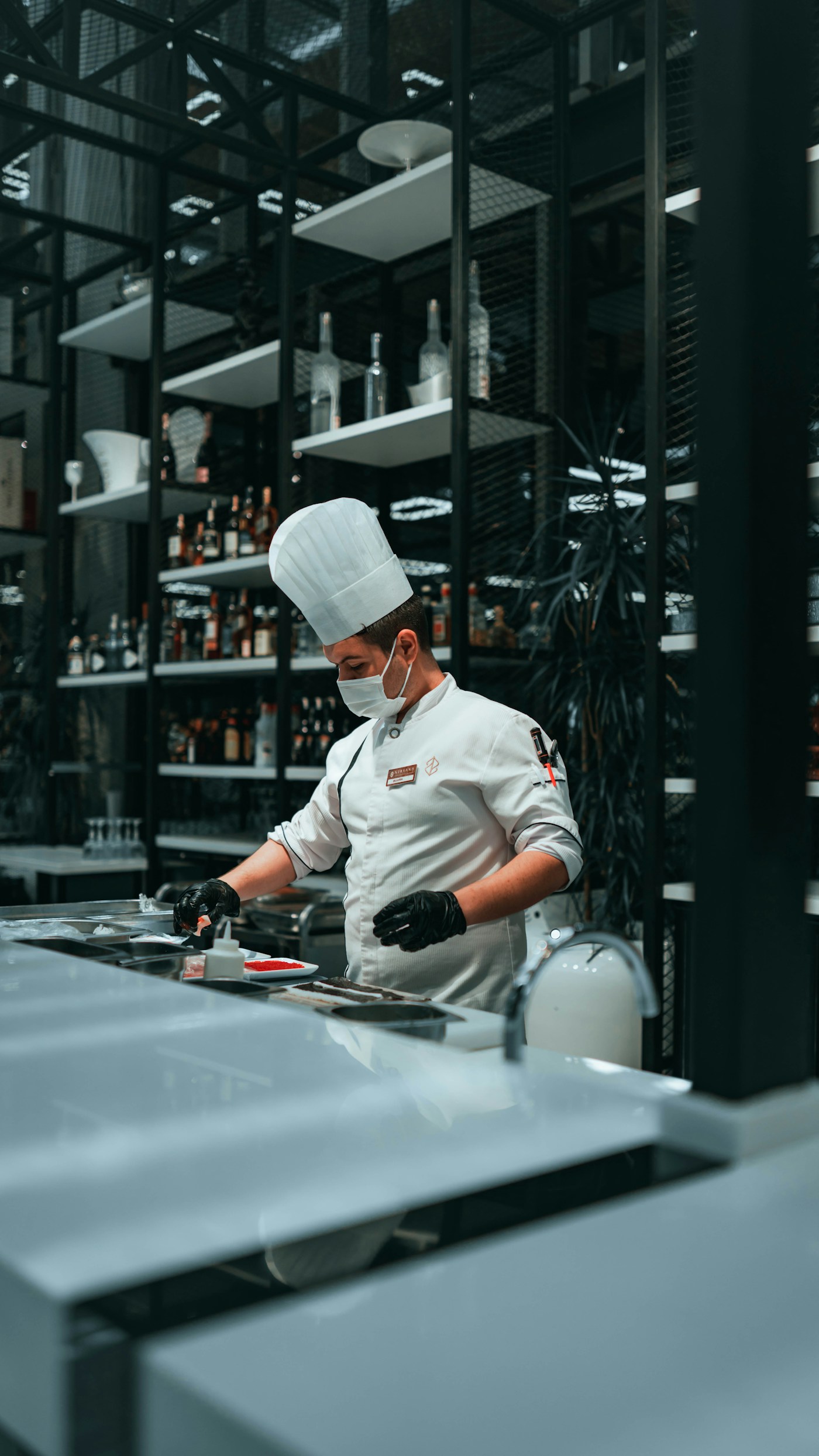
This guide is informational and is not legal or tax advice. It is a starting checklist, not a guarantee that every approval for your business is included. The stock photo does not identify a PermitWatchdog customer or a verified business in this location.